



 English
 Arabic
 French
 Spanish
 Portuguese
 Deutsch
 Turkish
 Dutch
Dutch
 Italiano
 Russian
 Portuguese (Brazil)
 Greek
Greek
GHANA'S INFLATIONARY BREAKDOWN
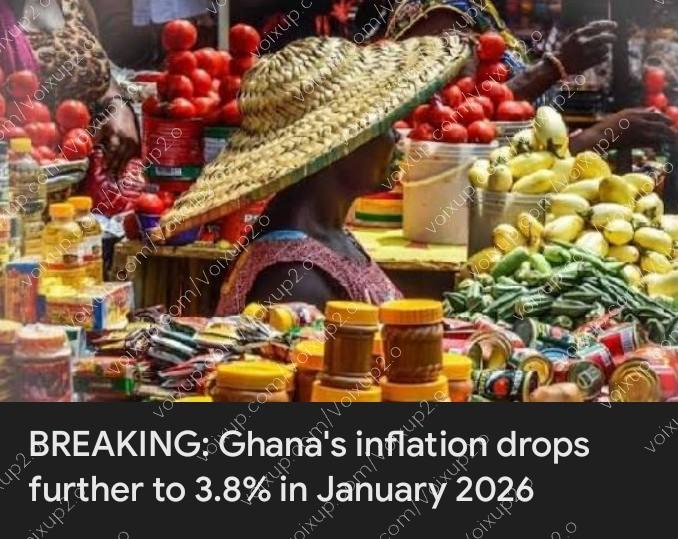
Ghana’s inflation story in 2025 is one of dramatic deceleration. In the 2025 Budget, Finance Minister Dr Cassiel Ato Forson set an ambitious end-year inflation target of 11.9 per cent. Several months later, inflation fell steadily from 23.8 per cent at the end of 2024 to just 5.4 per cent in December 2025, closing a 12-month streak of declining price growth.
But what does this statistical trend mean for ordinary Ghanaians at the market, at the cookstove, in transport queues, within household budgets, and for small businesses managing daily costs? Do the numbers on paper reflect real relief in wallets and balance sheets?
Checks by Citi Business News during the Christmas festivities showed relative price stability across local markets, with traders reporting marginal reductions in prices of selected items, including rice, eggs, and beverages.
THE DATA
Across 2025, monthly data showed a clear and persistent slowdown in headline inflation:
* Dec 24: 23.8%
* Jan 25: 23.5%
* Feb 25: 23.1%
* Mar 25: 22.4%
* Apr 25: 21.2%
* May 25: 18.4%
* Jun 25: 13.7%
* Jul 25: 12.1%
* Aug 25: 11.5%
* Sep 25: 9.4%
* Oct 25: 8.0%
* Nov 25: 6.3%
* Dec 25: 5.4%
Each figure marked a successive decline, bringing inflation comfortably below the Bank of Ghana’s target band.
The slowdown reflects easing pressures in both food and non-food prices, with food inflation — accounting for about 43 per cent of household spending — playing a dominant role.
THE EFFECTS ON HOUSEHOLDS
So what does this mean for households and businesses?
* More predictable grocery and operating costs
* Improved planning for small traders and wage earners
* Scope for lower interest rates and cheaper credit
* Uneven relief as transport and supply bottlenecks persist
Conclusion
Ghana’s 2025 inflation trajectory offers cautious optimism. Inflation has eased sharply, but for households and businesses, success will be judged not by percentages alone, but by consistently lower prices, stronger purchasing power and durable cost stability across markets.
credit to #citinews
Ghana’s inflation story in 2025 is one of dramatic deceleration. In the 2025 Budget, Finance Minister Dr Cassiel Ato Forson set an ambitious end-year inflation target of 11.9 per cent. Several months later, inflation fell steadily from 23.8 per cent at the end of 2024 to just 5.4 per cent in December 2025, closing a 12-month streak of declining price growth.
But what does this statistical trend mean for ordinary Ghanaians at the market, at the cookstove, in transport queues, within household budgets, and for small businesses managing daily costs? Do the numbers on paper reflect real relief in wallets and balance sheets?
Checks by Citi Business News during the Christmas festivities showed relative price stability across local markets, with traders reporting marginal reductions in prices of selected items, including rice, eggs, and beverages.
THE DATA
Across 2025, monthly data showed a clear and persistent slowdown in headline inflation:
* Dec 24: 23.8%
* Jan 25: 23.5%
* Feb 25: 23.1%
* Mar 25: 22.4%
* Apr 25: 21.2%
* May 25: 18.4%
* Jun 25: 13.7%
* Jul 25: 12.1%
* Aug 25: 11.5%
* Sep 25: 9.4%
* Oct 25: 8.0%
* Nov 25: 6.3%
* Dec 25: 5.4%
Each figure marked a successive decline, bringing inflation comfortably below the Bank of Ghana’s target band.
The slowdown reflects easing pressures in both food and non-food prices, with food inflation — accounting for about 43 per cent of household spending — playing a dominant role.
THE EFFECTS ON HOUSEHOLDS
So what does this mean for households and businesses?
* More predictable grocery and operating costs
* Improved planning for small traders and wage earners
* Scope for lower interest rates and cheaper credit
* Uneven relief as transport and supply bottlenecks persist
Conclusion
Ghana’s 2025 inflation trajectory offers cautious optimism. Inflation has eased sharply, but for households and businesses, success will be judged not by percentages alone, but by consistently lower prices, stronger purchasing power and durable cost stability across markets.
credit to #citinews
GHANA'S INFLATIONARY BREAKDOWN
Ghana’s inflation story in 2025 is one of dramatic deceleration. In the 2025 Budget, Finance Minister Dr Cassiel Ato Forson set an ambitious end-year inflation target of 11.9 per cent. Several months later, inflation fell steadily from 23.8 per cent at the end of 2024 to just 5.4 per cent in December 2025, closing a 12-month streak of declining price growth.
But what does this statistical trend mean for ordinary Ghanaians at the market, at the cookstove, in transport queues, within household budgets, and for small businesses managing daily costs? Do the numbers on paper reflect real relief in wallets and balance sheets?
Checks by Citi Business News during the Christmas festivities showed relative price stability across local markets, with traders reporting marginal reductions in prices of selected items, including rice, eggs, and beverages.
THE DATA
Across 2025, monthly data showed a clear and persistent slowdown in headline inflation:
* Dec 24: 23.8%
* Jan 25: 23.5%
* Feb 25: 23.1%
* Mar 25: 22.4%
* Apr 25: 21.2%
* May 25: 18.4%
* Jun 25: 13.7%
* Jul 25: 12.1%
* Aug 25: 11.5%
* Sep 25: 9.4%
* Oct 25: 8.0%
* Nov 25: 6.3%
* Dec 25: 5.4%
Each figure marked a successive decline, bringing inflation comfortably below the Bank of Ghana’s target band.
The slowdown reflects easing pressures in both food and non-food prices, with food inflation — accounting for about 43 per cent of household spending — playing a dominant role.
THE EFFECTS ON HOUSEHOLDS
So what does this mean for households and businesses?
* More predictable grocery and operating costs
* Improved planning for small traders and wage earners
* Scope for lower interest rates and cheaper credit
* Uneven relief as transport and supply bottlenecks persist
Conclusion
Ghana’s 2025 inflation trajectory offers cautious optimism. Inflation has eased sharply, but for households and businesses, success will be judged not by percentages alone, but by consistently lower prices, stronger purchasing power and durable cost stability across markets.
credit to #citinews